Architecture and Film 2

Narrative interpretation of image architecture
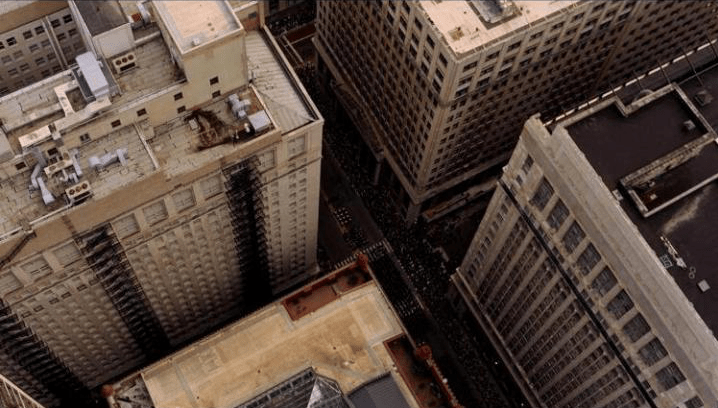
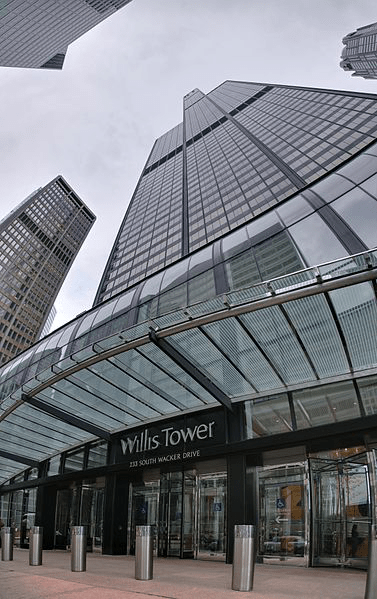
We all know that Gotham is fictional. What do you do when you want to represent the big city scene? ? All CG is certainly possible, but director Nolan approaches adopted, is actually a bird’s eye directly to the Chicago transplant. The ambassador is not critical, just as a “Chicago City Fan”, I always feels strange. (Chicago is the birthplace of modern high-rise building, the official American Institute of Architects AIA rated as the most important city on the architectural significance of the United States, carving the tallest building in the city’s Sears Tower entrance foyer.)
But sometimes, I think the producer of the film really lacks the necessary architectural knowledge, so that the results it displays will be very crazy.
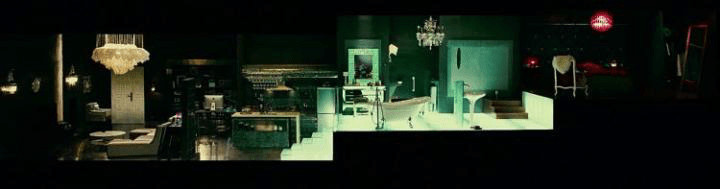
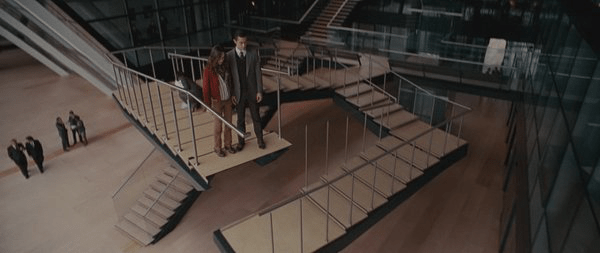
It uses the method of perspective to express this continuous space, and I personally guess it is the idea of a construction apprentice who just came out of the hut, which also has some merits. I would say the high purity color, when we consider the design of the space logic, neither conforms to the basic function of rationality, also cannot bring visual pleasure. Although the architectural space is not only the main point, at least it needs some effort, right? All in all , in my opinion the scenery in this movie which provide a very strange house, could you tell me the what it should express theme?
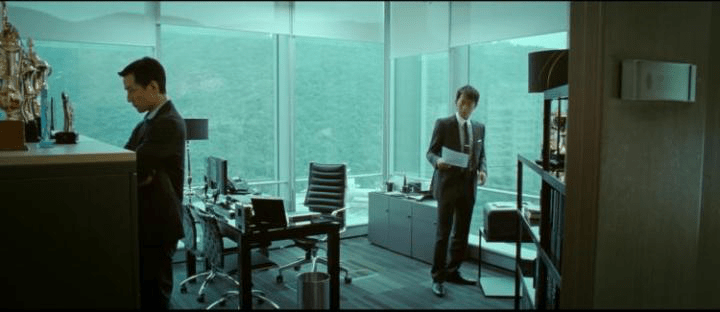
Although the layout is decent and the style is simple, it is helpless due to the position of the machine and the space. When it is forced to insert all kinds of objects that need to be accounted for, it seems very stretched. Look at it, are the placement of these trophies too casual? There is always a lack of refinement.

I believe that after my previous guidance, most of people has seen these basic architectural elements: Through tall floor-to-ceiling windows and the spread of the urban landscape. How to be luxury in the scenery? I don’t really need LV, I don’t need Ferrari. I always feel that in the movie, there are countless scenes changing and the architectural space is changing. This is the continuity of the director’s strength.

If you agree that Andy Warhol’s Empire State building is a narrative film, then you can open a window hole in the wall and the building will be narrative. The narrative is not that complicated. It seems that there has never been a clear definition of narrative in architecture, so that any design method that conveys information or contains intention can be interpreted as a narrative method.It can also be asked: is there any architectural design that does not convey information and does not contain intentions?Sometimes, when we can’t tell what a thing is, we can constantly explore what it isn’t to gradually define it. So, what architecture is strictly anti narrative?

But what I want to say is that it does not mean that narrative is of no value in itself. In some ways, narrative in architecture is a very common thing. Therefore, it may not be meaningful to discuss whether architecture has narrative nature. So how to narrate is the key point.
Architecture and Film

Narrative interpretation of image architecture

As my professional habits, whenever I watch movies, I always distracted to see the architectural details inside. Probable cause architecture—its scope ranges from urban space to a closet furniture—is the most basic element of a movie scene. So, in fact, we don’t need to talk about the so-called “classic” movies. Even if we just pick up some “ordinary” movies, we may still be able to appreciate the “architectural humanities” in the movies.

The interaction between cinema and architecture – “the inherent architecture of cinematic expression and the cinematographic essence of architectural experience” is a complex, often multifaceted dialogue between both disciplines.

There are many manifestations of narration in architecture, which can be roughly divided into narrative architecture and narrative nature of architecture, which are two different concepts. If it is a narrative building, it still has to be implemented in the form and expression of the building. This methodology can be reflected in the deconstruction and translation of the narrative text, and finally in the built space; in the form of an entity exists, it can be text, hand-painted movie or show certain spatial thinking. Whether in architectural conception, design, construction, or experience, we can see the narrative nature of architecture.

It divides the methods of architectural narrative into roughly three types:

1.Translation: Analyze the narrative script and visual elements, and express it with abstract mapping or space.

2. Imagination: In order to express or question a certain social phenomenon, use space as a medium to express these opinions.

3. Reconstruction: Reappear a certain narrative of the site, present it to the viewer with a specific spatial clue, and evoke collective memory.

Translation-Understanding of Architectural Space and Story

Architectural space, like movies, is constructed with anatomical moving images, dynamic trajectories of living space and life narrative. “[2] In fact, we can easily understand a large number of words by replacing the words “architecture” with “movie” in architecture. This method allows us to intuitively recognize the method of directing narratives, how movies use their own structure to influence the audience’s perception. Translation uses abstraction and analogy to shape people’s stories or certain laws.

Space-time and montage are two important signs. Time and space are a common thread in architecture and film. Architecture and film are generally considered to have time and space characteristics.

  • pace-time

Architecture is a frozen film, and movies are dissolving buildings. “Movies combine time and space one step further, so time has truly become a dimension of space. [3] Here is about the shaping of movies. The architectural experience combines space and time with human initiative, while movies combine parts Spatial features are actively expressed to people on the time axis, and people passively experience the spatial narrative in this time dimension.

The Interaction Between Film And Architecture

It is difficult to imagine cinema taking place in a vacuum. Without the scene to fill each storyline, we cannot be transported away from our reality to the world of the film we are immersed in. Within Godard’s list of ways to make films, we can add another: cinema as architecture. The interaction between cinema and architecture – “the inherent architecture of cinematic expression and the cinematographic essence of architectural experience” is a complex, often multifaceted dialogue between both disciplines. [1] 

So how to explain this? Why is a movie that puts mind-bending architecture so squarely at the center of its story so architecturally underwhelming? Why does its attempt to make metaphorical links between buildings and storyline?

Inception

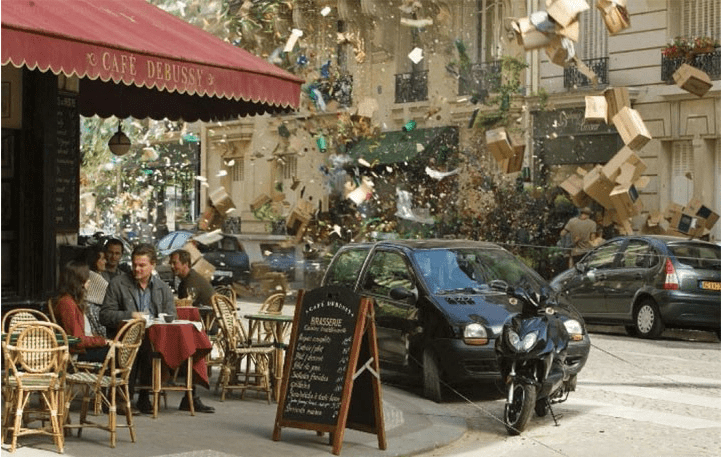
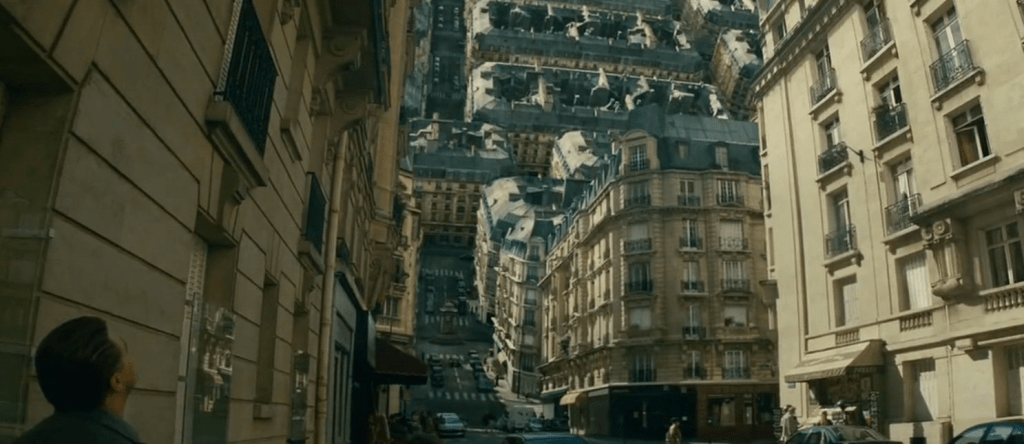
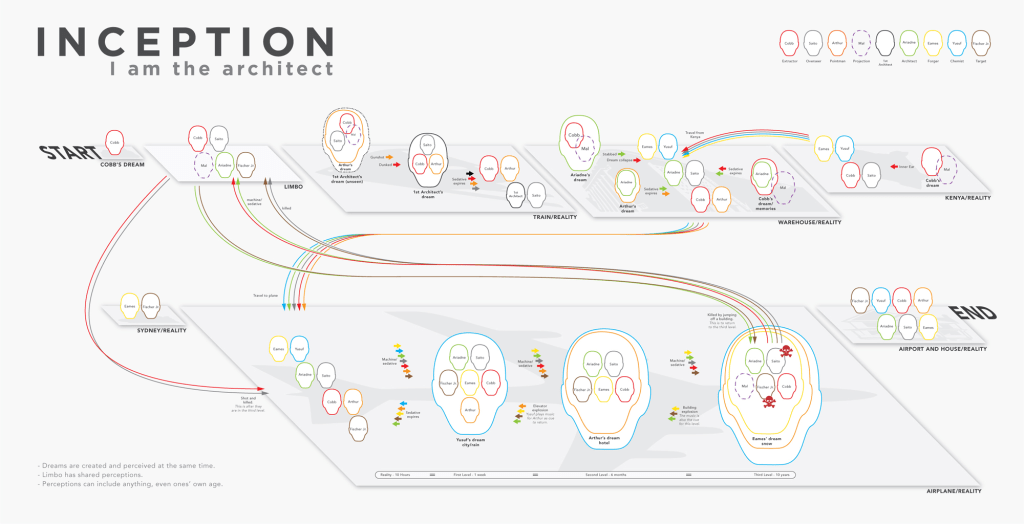
Christopher Nolan’s hyper-complex psychological thriller doesn’t just make architecture a central theme; the whole story hinges on the ability of architects to design buildings, neighborhoods and whole cities inside other people’s dreams. Early on, Leonardo DiCaprio’s brooding hero, Cobb, gives us reason to look forward to those invented worlds when he warns the young architect he’s hired, Ariadne ( Ellen Page), that she should “never create places from memory” and “always imagine new places.” (Sounds promising, right? Sounds like a manifesto! Sounds like the Bauhaus circa 1920!) In the same scene, Ariadne’s skittish subconscious causes a whole section of Paris to fold deliriously in on itself, as if Baron Haussmann’s grand boulevards had suddenly turned to rubber.”It is undeniable that the cinema has a marked influence on modern architecture; in turn, modern architecture brings its artistic side to the cinema…. Modern architecture not only serves the cinematographic set [decor], but imprints its stamp on the staging [mise-en-scene], it breaks out of its frame; architecture ‘acts.’”- Robert Mallet-Stevens [2]

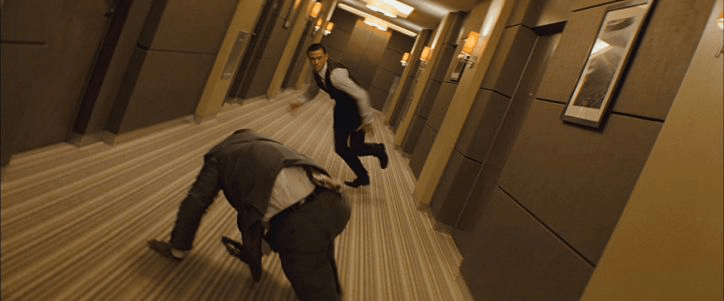
From then on, though, the architectural set pieces grow increasingly trite and familiar. On the streets of downtown Los Angeles, including a wide intersection in front of a Famima store; the inside of a van; a hotel room; hotel hallways; an elevator; an elevator shaft; and a quasi-Brutalist mountainside complex where, in the deep snow, you can make out the boot-prints of both James Bond and Jason Bourne.

Architecture in the dream

Film and architecture are two completely different art forms, but they always influence each other in a meaningful and creative way. Movies create the space, space interpretation of the film, its beauty lies in the different performance practices fused together to crash out of the moment, so that the original building is no longer a reality in the building, it can go beyond the dimensions of space, physical limitations.It impress by imagining new structures and forms. No architectural design can ever manage to portray the feeling of space and the essence of movement. On the other hand, architects themselves, with their creative occupation, have often been heroes in films that portray their intellectual personalities. When dealing with such detailed, creative and constructive art forms, it is really hard to define who influences who. It all ends up in a question of “Which came first, the chicken or the egg?”

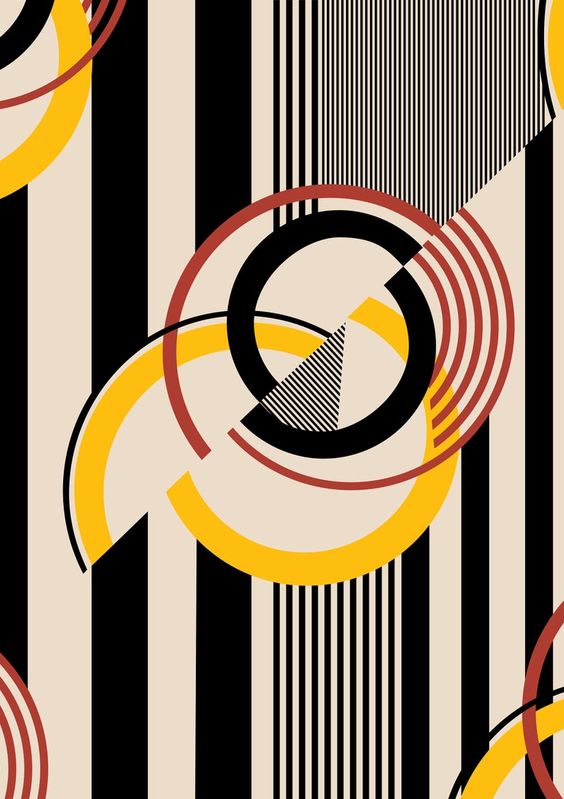
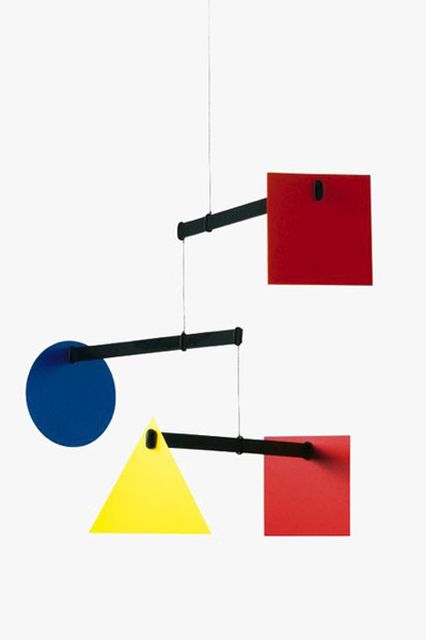
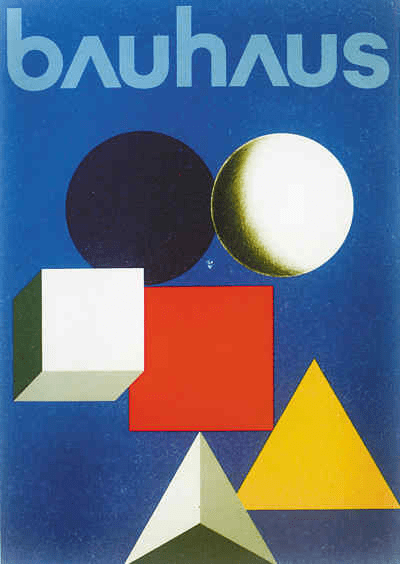
What is Bauhaus?

Do you really understand what Bauhaus is? This name, which is widely used in the field of art and design, has long been blurred by many industries. Some people say it’s good, others say it’s bad, and the design community has been mixed.
It can be a transliteration of German words, a school or a design trend.

Gropius:
We are in an era of great changes in our lives. The old society is crushed under the impact of machines… In our design, we should not simply seek changes in form… We are against the practice of putting function and form first and foremost. We always believe that form is determined by function, and we emphasize the decisive role of machines in industrial design.

The teaching concept of Bauhaus school emphasizes the needs of people rather than the artistry of the product itself. All process aesthetics should keep up with the pace of mechanized mass production. What’s the same with today’s industrial design? They are really big brothers.

Its establishment marks the birth of modern design education and lays the foundation of modernism design.

Untensil

Compare :

desire VS table manners

Edible material VS traditional material

Diversified use of traditional and modern materials

https://www.gooood.cn/host-and-new-norm-dinnerware-by-norm-architects-menu.htm

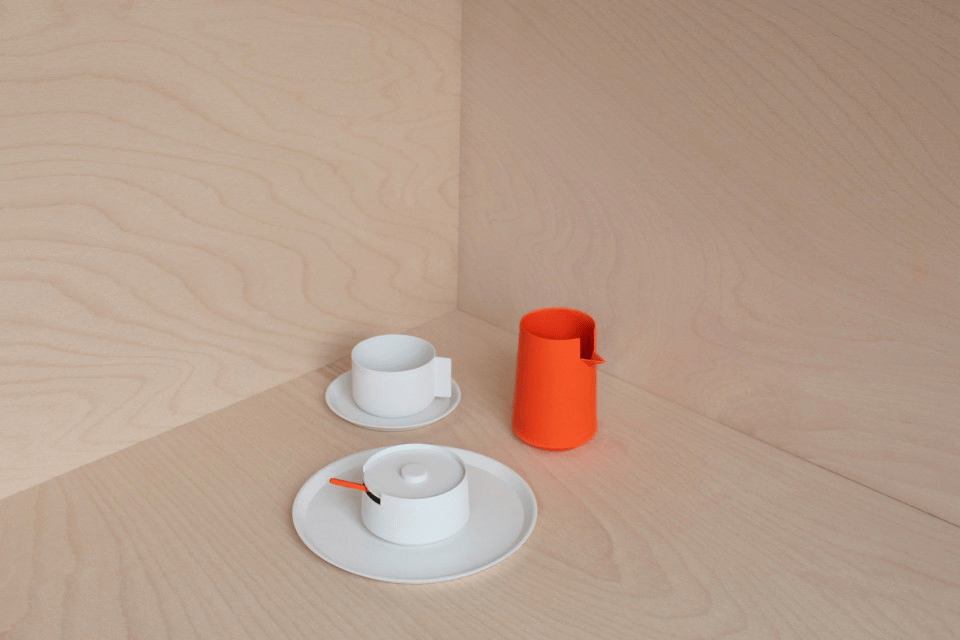
A space of multiple stories intertwining and correlating to form an inspirational and aesthetic universe for all senses.

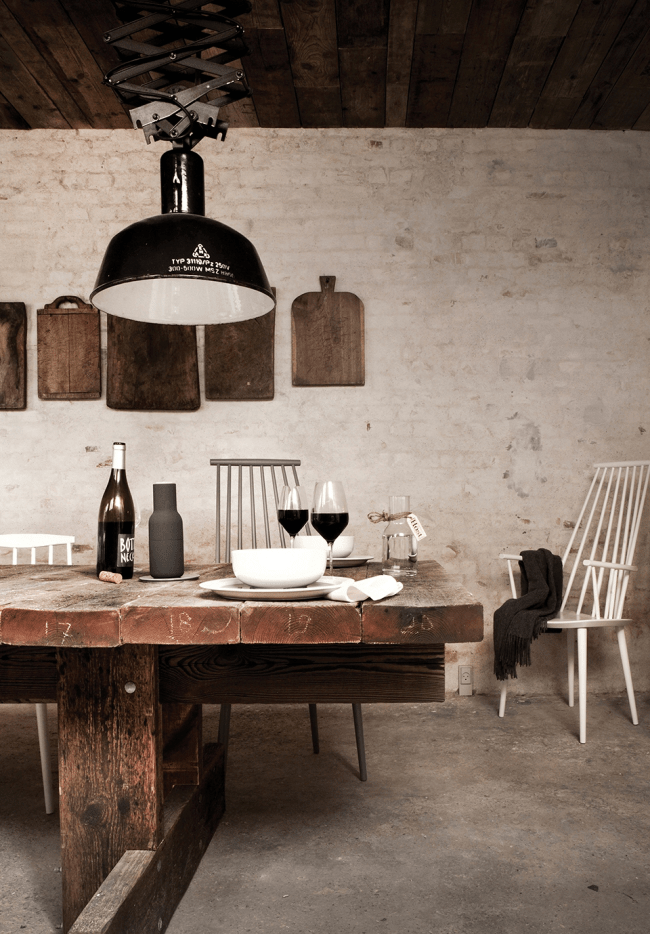
Table: wood

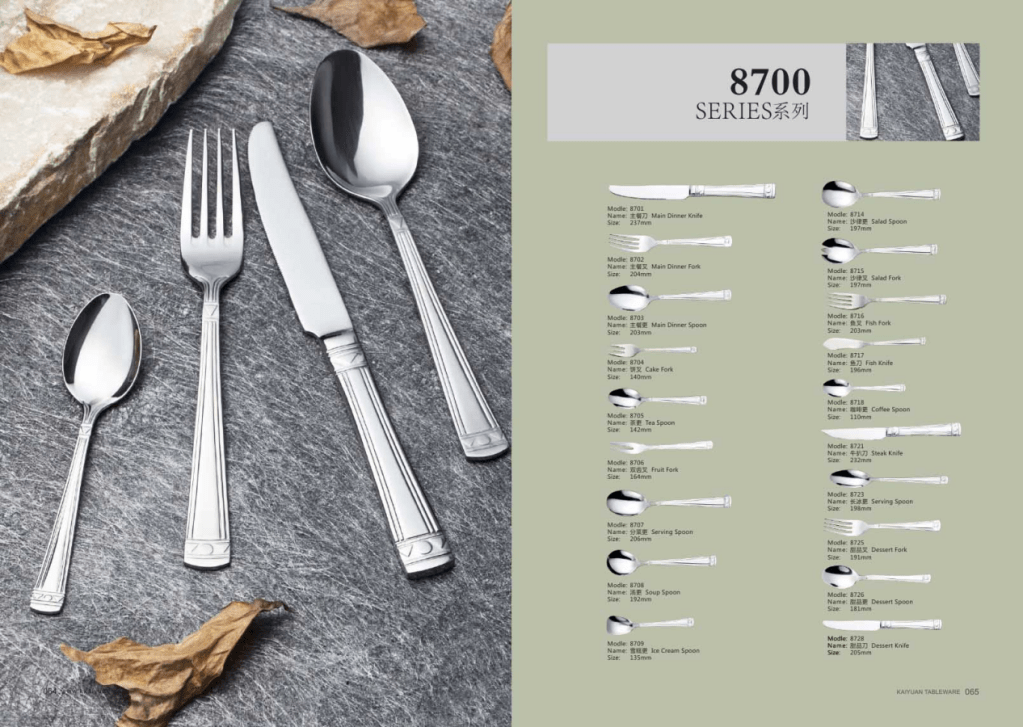
Different utensil are produced in different materials.

https://www.gooood.cn/1500-a-new-interpretation-of-tableware-cologne-by-gerdesmeyer-krohn.htm

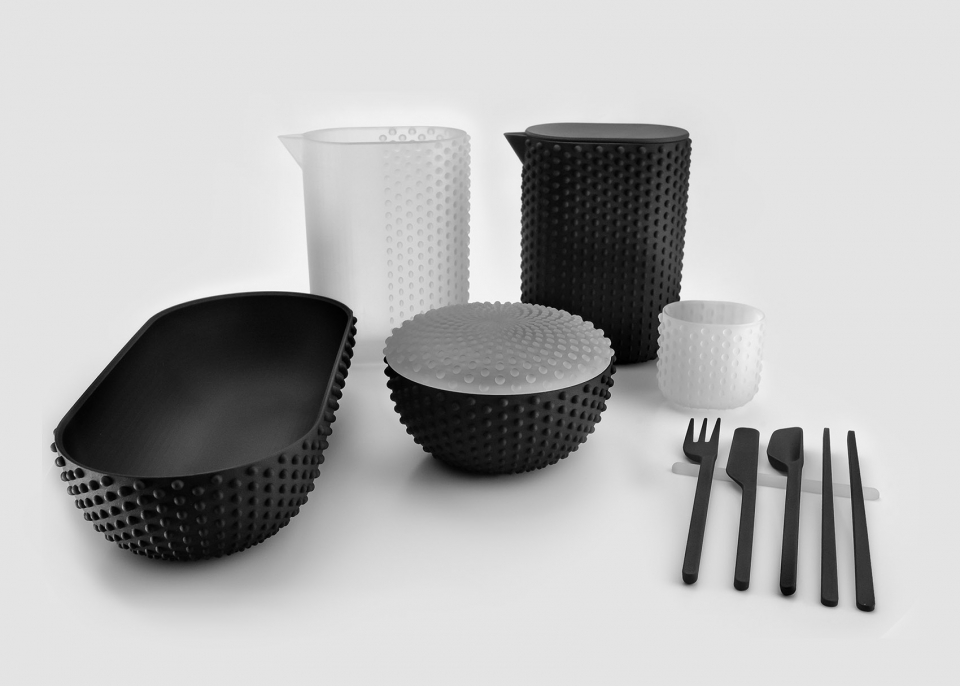
It’s a about the idea of very thin and futuristic tableware.  Untill now it’s just a 3d-printed concept in ABS, but we want to realize it!

https://www.gooood.cn/zaha-hadid-design-collection-new-pieces-2019.htm

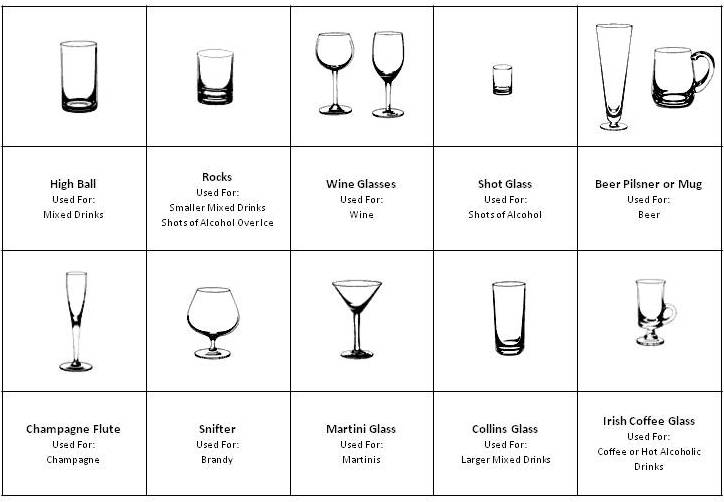
Tableware

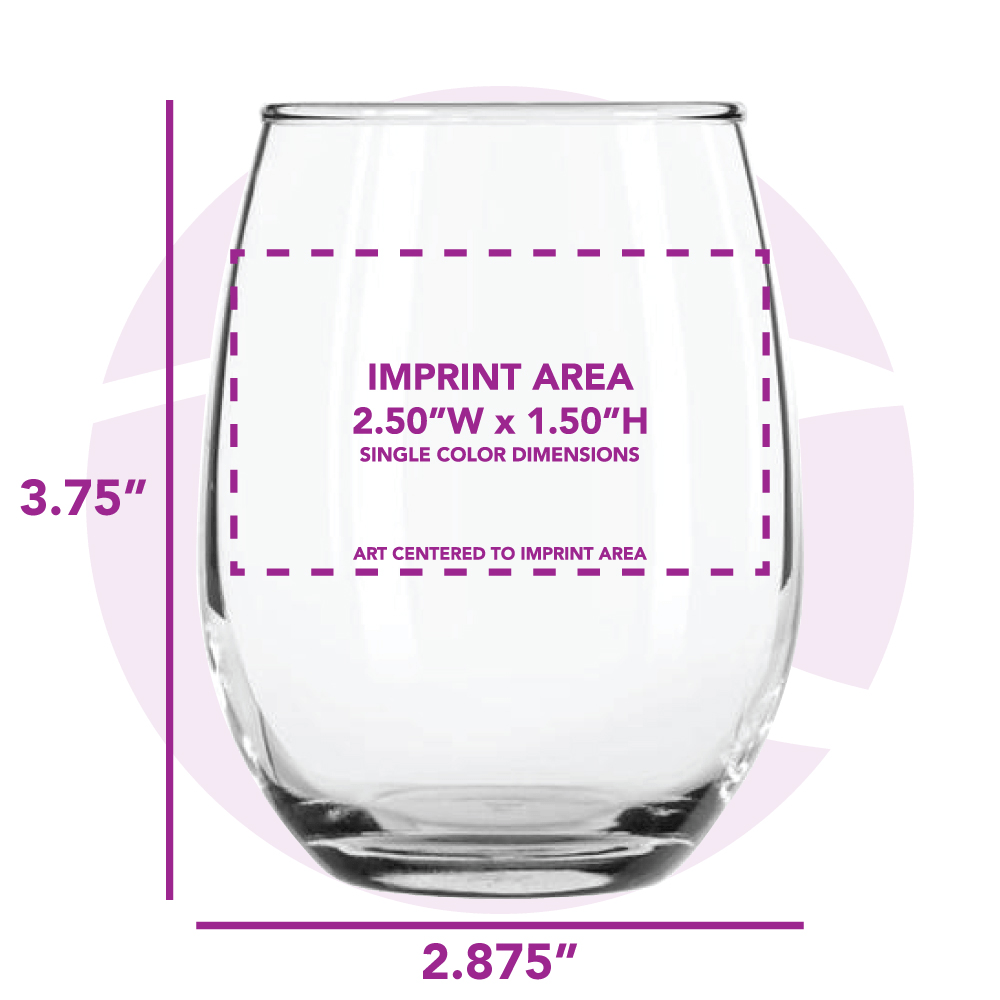
The stemless glass fits perfectly and comfortably in the palm of your hand, makes them reliable and less likely to break. It increase water holding capacity, these glasses help save space in the cabinet. Also it is useful for us to be projected on it because its stemless and legless.

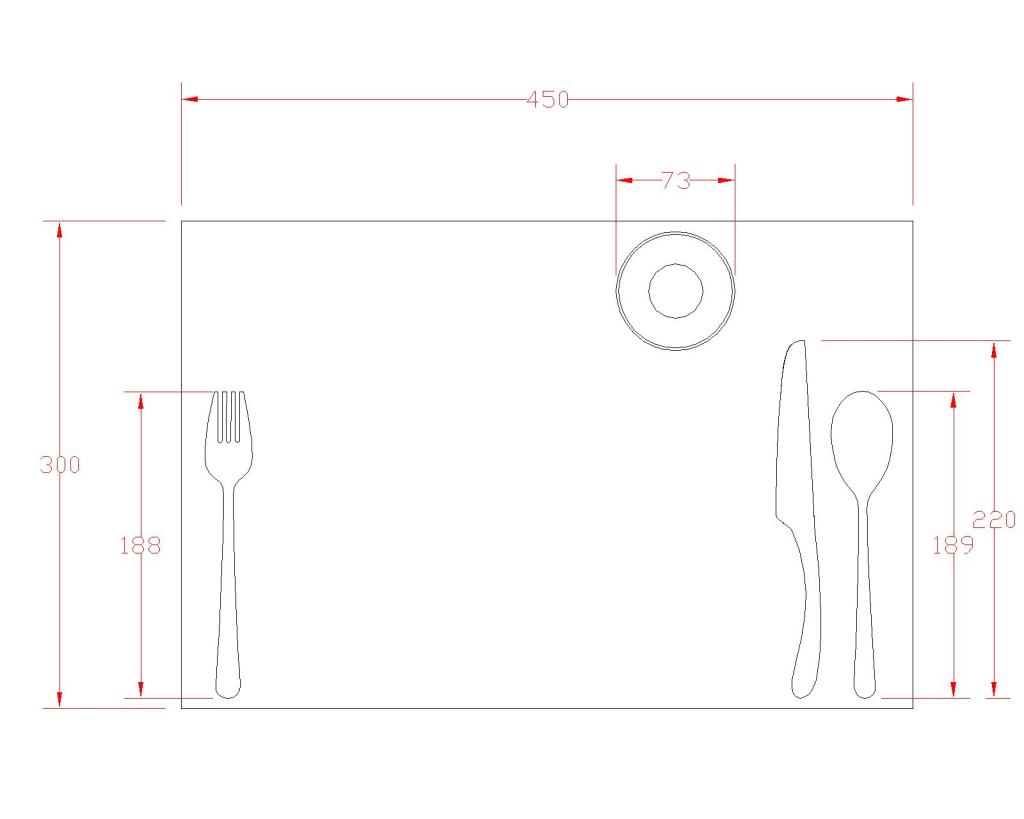
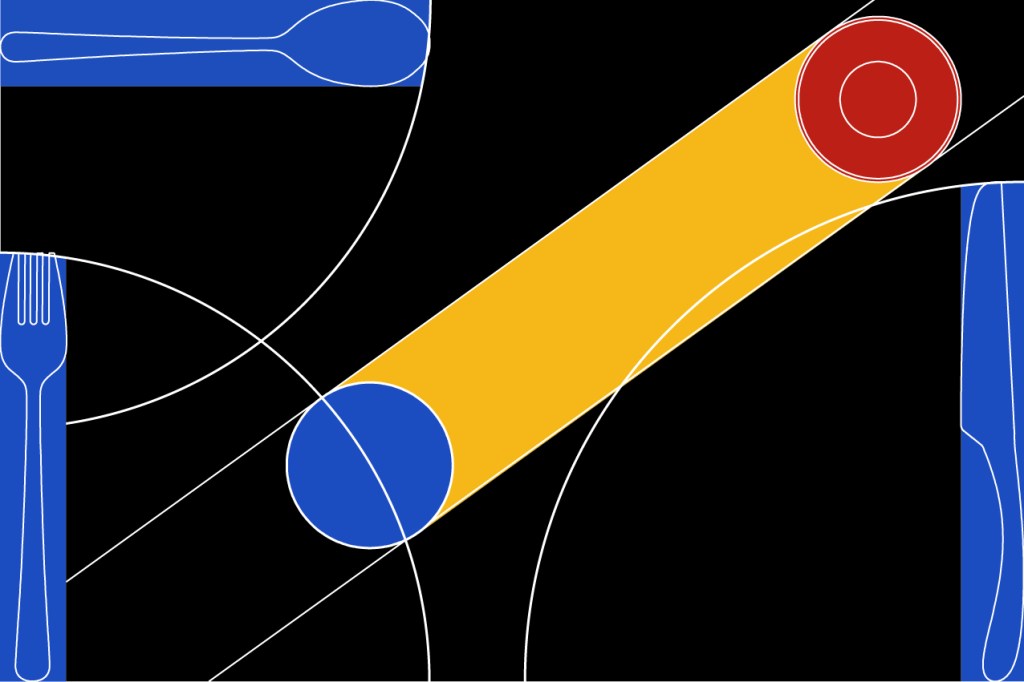
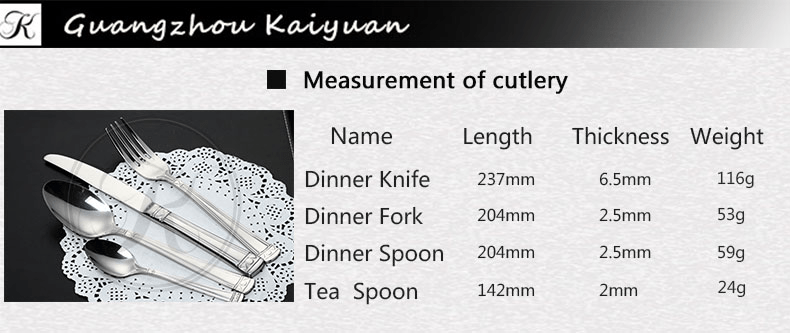
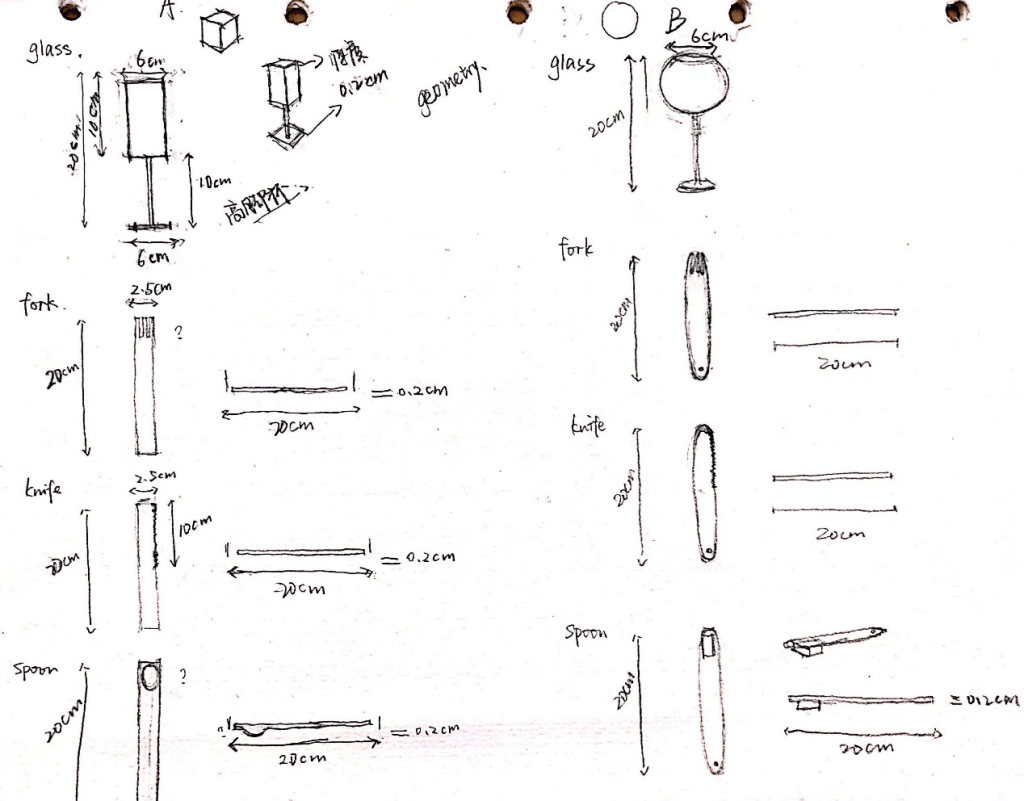
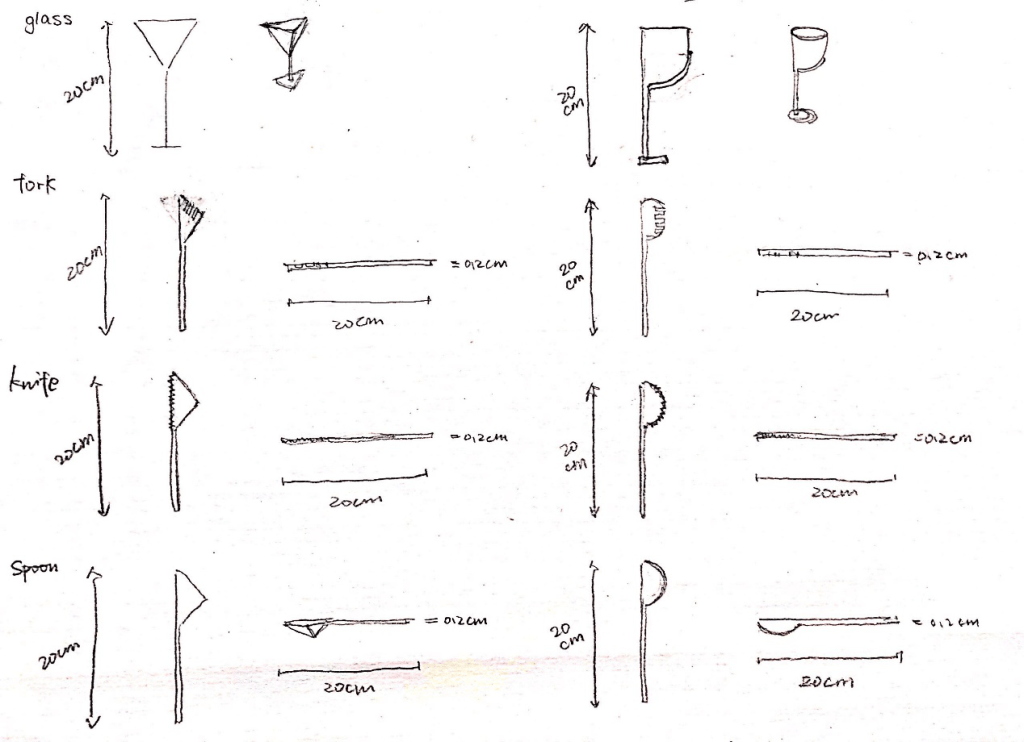
After research some table manners and original untensils size and shapes, I started to draw some stange utensils combined the concept of Bauhuas.

Freeing Buildings

In June, I went to Shanghai to see his private exibition.

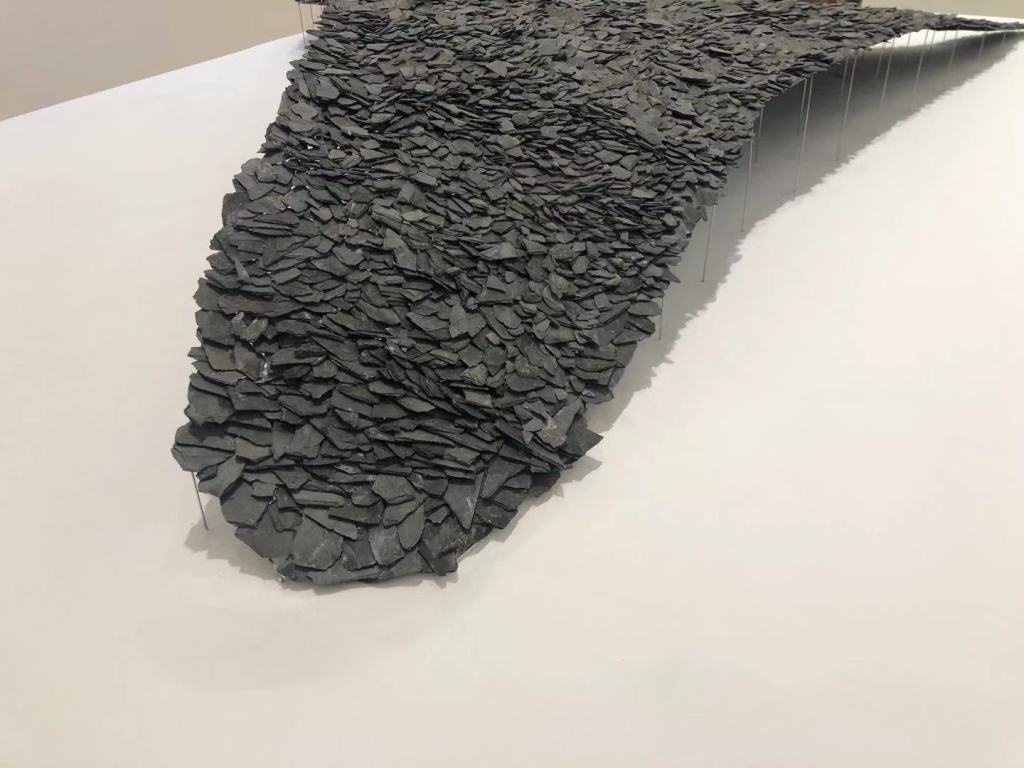
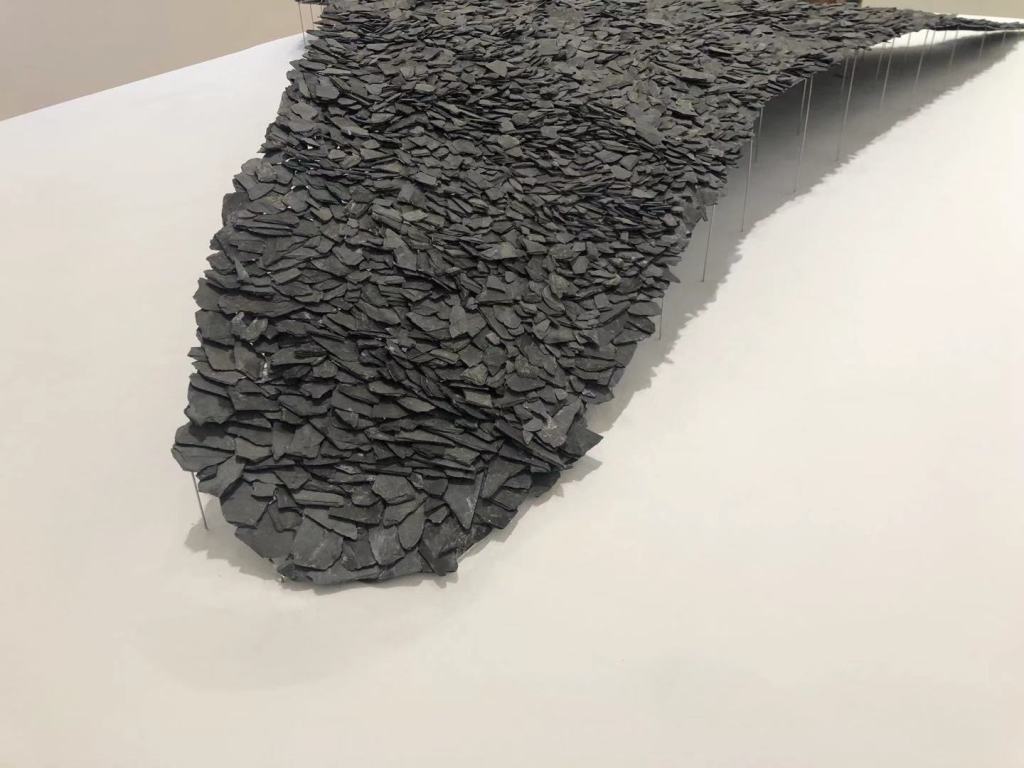
In this exhibition, there are more than ten design works of Ishiguro, including familiar works such as Kait workshop in Kanagawa, works that have been heard for a long time but have always been mysterious, such as valley Church in Rizhao, Shandong Province, and strange new projects such as forest kindergarten, Mosco Technology Museum, etc. People like me who have always been paying attention to the pure nature of stone have also won many surprises in the exhibition. We can imagine that the exhibition has a great impact on people who don’t know much about the stone at ordinary times. Each project has a series of large-scale models and paintings, which is very expressive and hard work. It’s interesting to think about the controversy over the use of free interns in the Serpentine Gallery Project in London: at one end of the impact, there are gorgeous and rich models and paintings with extreme expressiveness; at the other end, there are free labors who work six days a week and more than 12 hours a day without pay and visa.

And in September, I was surprised that I saw the real buliding in Hyde park.

Freely as in relaxing more, being our natural selevs.

The kind of freedom that allows us to conceive of so many more kinds of architecture, allowing us to make diverse chioces naturally and comfortably. Identiflying the right structure for the location, flexibly, anbound by architectural conventions, each time seriously, yet simply.

Food Reserach

http://shanghaiist.com/2019/07/18/this-futuristic-shenzhen-restaurant-has-replaced-waiters-with-spiral-slides/

Space lab

This “futuristic” Shenzhen restaurant has replaced waiters with spiral slides

https://www.gooood.cn/the-tableware-of-the-future-by-joe-doucet.htm

By creating hybrid vessels which act as cooking, serving and storage for food, we eliminate the need to use separate items for each step and avoid wasting potable water to clean each item between uses.

https://www.archilovers.com/stories/3036/q-a-with-the-chilean-studio-piqui-niqui.html

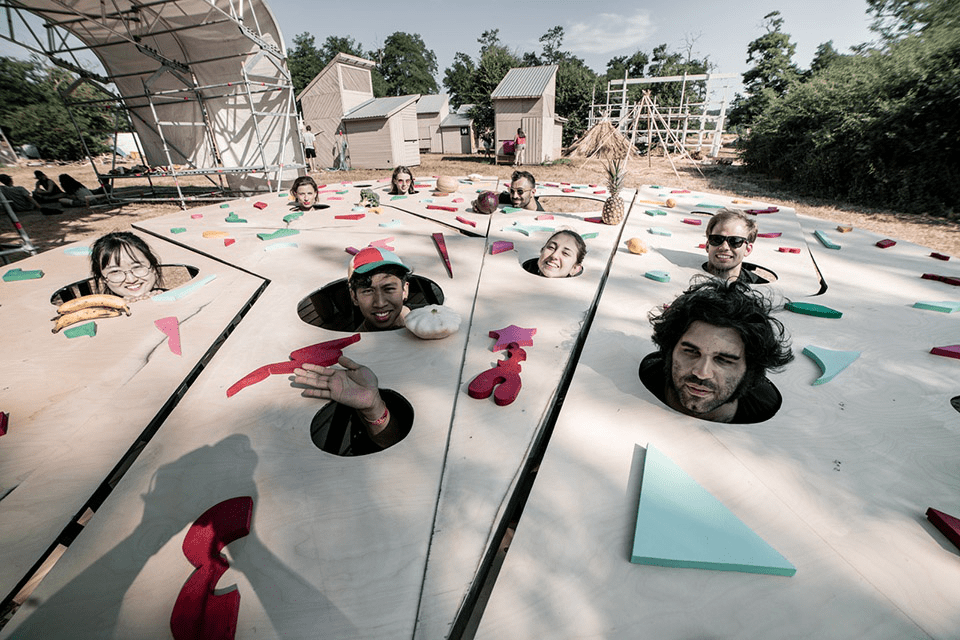
Each project has a particular atmosphere and food choice including all the essential elements for eating: napkins, forks, glasses, and so on.Traditional food has rigid rules that don’t allow much freedoms and so we wanted to change this situation by inserting new elements like the paper support and ephemeral architecture to change a space and determine new ways to socialize.

What is the interaction between architecture and food?
Architecture and food are proposed as a total project, where everything is related. The user participates in an experience which starts when he is entering to the celebration spot and then enjoys the banquet, discovering new possibilities of “playing with food”
.

通过 WordPress.com 设计一个这样的站点
从这里开始