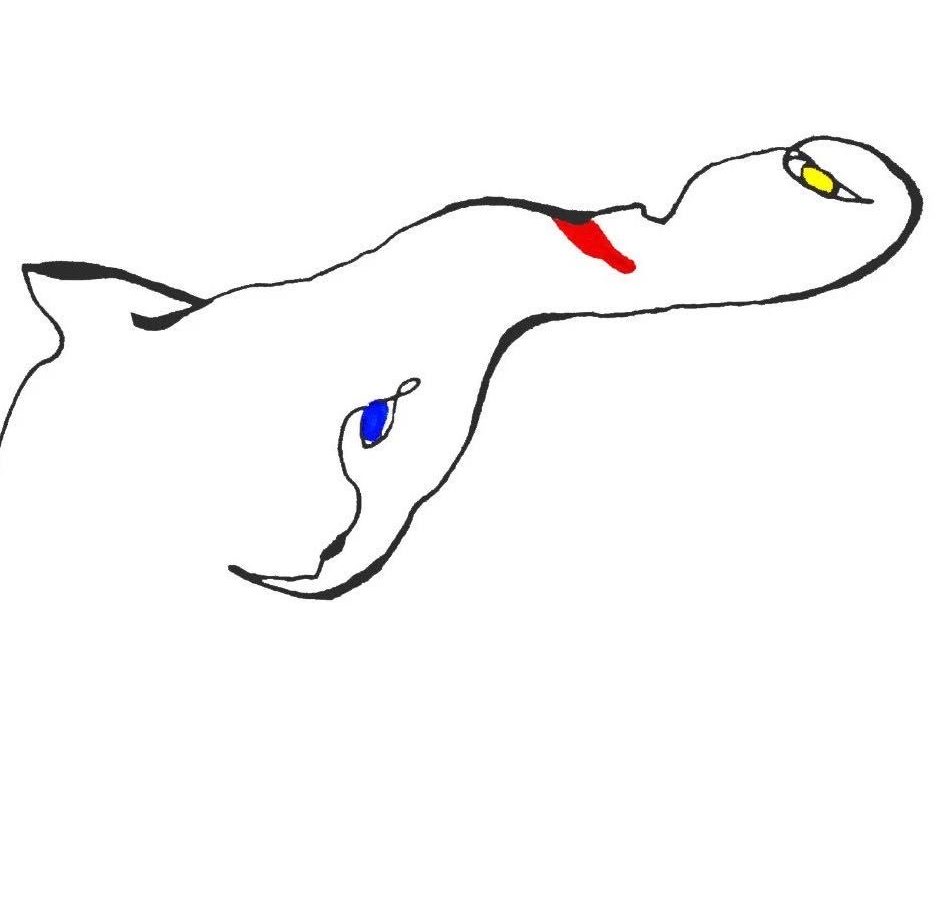
Narrative interpretation of image architecture
As my professional habits, whenever I watch movies, I always distracted to see the architectural details inside. Probable cause architecture—its scope ranges from urban space to a closet furniture—is the most basic element of a movie scene. So, in fact, we don’t need to talk about the so-called “classic” movies. Even if we just pick up some “ordinary” movies, we may still be able to appreciate the “architectural humanities” in the movies.
The interaction between cinema and architecture – “the inherent architecture of cinematic expression and the cinematographic essence of architectural experience” is a complex, often multifaceted dialogue between both disciplines.
There are many manifestations of narration in architecture, which can be roughly divided into narrative architecture and narrative nature of architecture, which are two different concepts. If it is a narrative building, it still has to be implemented in the form and expression of the building. This methodology can be reflected in the deconstruction and translation of the narrative text, and finally in the built space; in the form of an entity exists, it can be text, hand-painted movie or show certain spatial thinking. Whether in architectural conception, design, construction, or experience, we can see the narrative nature of architecture.
It divides the methods of architectural narrative into roughly three types:
1.Translation: Analyze the narrative script and visual elements, and express it with abstract mapping or space.
2. Imagination: In order to express or question a certain social phenomenon, use space as a medium to express these opinions.
3. Reconstruction: Reappear a certain narrative of the site, present it to the viewer with a specific spatial clue, and evoke collective memory.
Translation-Understanding of Architectural Space and Story
Architectural space, like movies, is constructed with anatomical moving images, dynamic trajectories of living space and life narrative. “[2] In fact, we can easily understand a large number of words by replacing the words “architecture” with “movie” in architecture. This method allows us to intuitively recognize the method of directing narratives, how movies use their own structure to influence the audience’s perception. Translation uses abstraction and analogy to shape people’s stories or certain laws.
Space-time and montage are two important signs. Time and space are a common thread in architecture and film. Architecture and film are generally considered to have time and space characteristics.
- pace-time
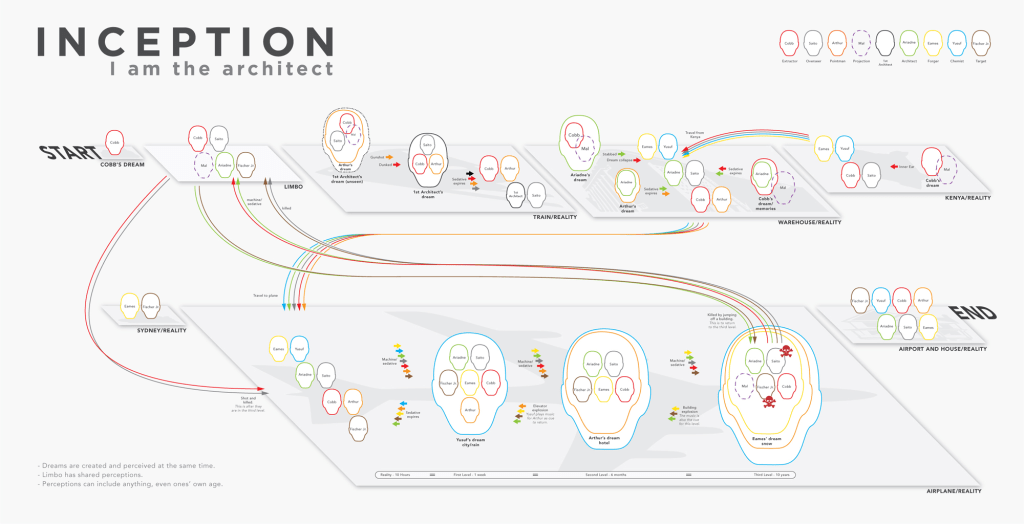
Architecture is a frozen film, and movies are dissolving buildings. “Movies combine time and space one step further, so time has truly become a dimension of space. [3] Here is about the shaping of movies. The architectural experience combines space and time with human initiative, while movies combine parts Spatial features are actively expressed to people on the time axis, and people passively experience the spatial narrative in this time dimension.
 Yetta
Yetta 