In the 1920s, a group of advanced European designers and architects formed a powerful group to promote the so-called new building movement. The contents of the movement are very complex, including the spiritual and ideological reform democratic tendency and socialist tendency of design, as well as the technological progress, especially the new materials reinforced concrete, flat glass The use of steel; the new form – against any simple geometric form of decoration, advocating functionalism, thus breaking the position and principle of thousands of years of design for the service of dignitaries, and breaking the tradition of thousands of years of building completely attached to wood, stone, brick and tile. Because Bauhaus’s free and avant-garde idea of running a school was not allowed by the Nazis, his school site had been relocated three times. In 1933, the Nazi government of Germany ordered the closure of Bauhaus.
A design trend
If we only understand “Bauhaus” as a German word, a design school, it would be too narrow. At present, what we call “Bauhaus” mostly refers to a kind of design trend, design system, or “Bauhaus doctrine”.
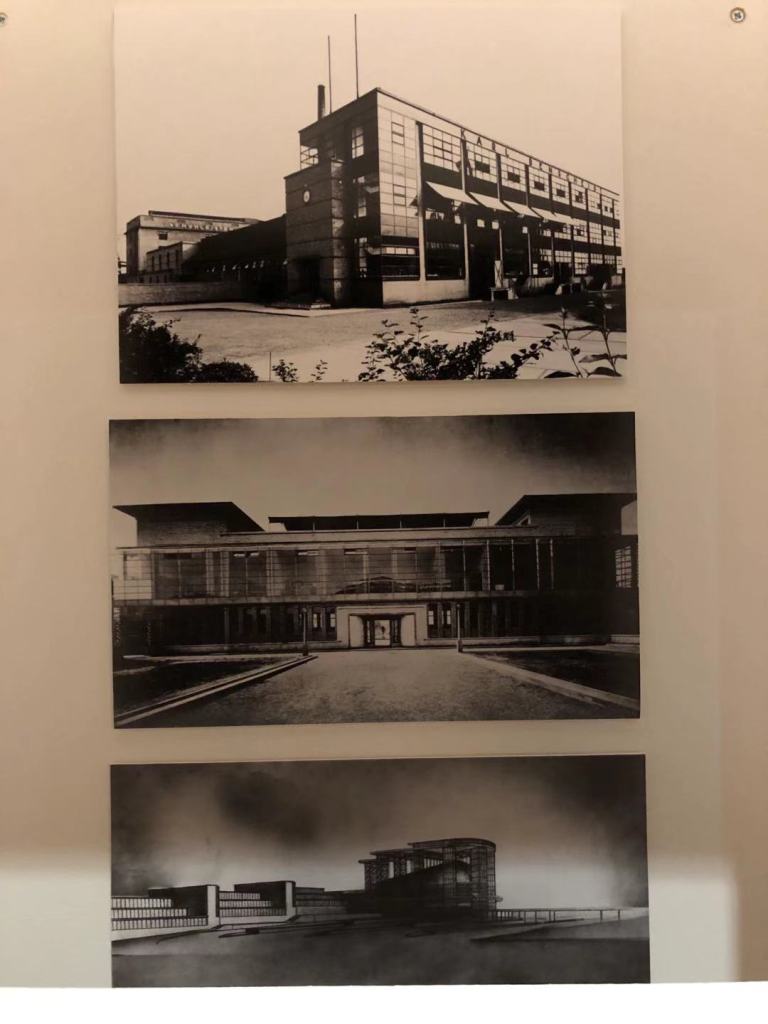
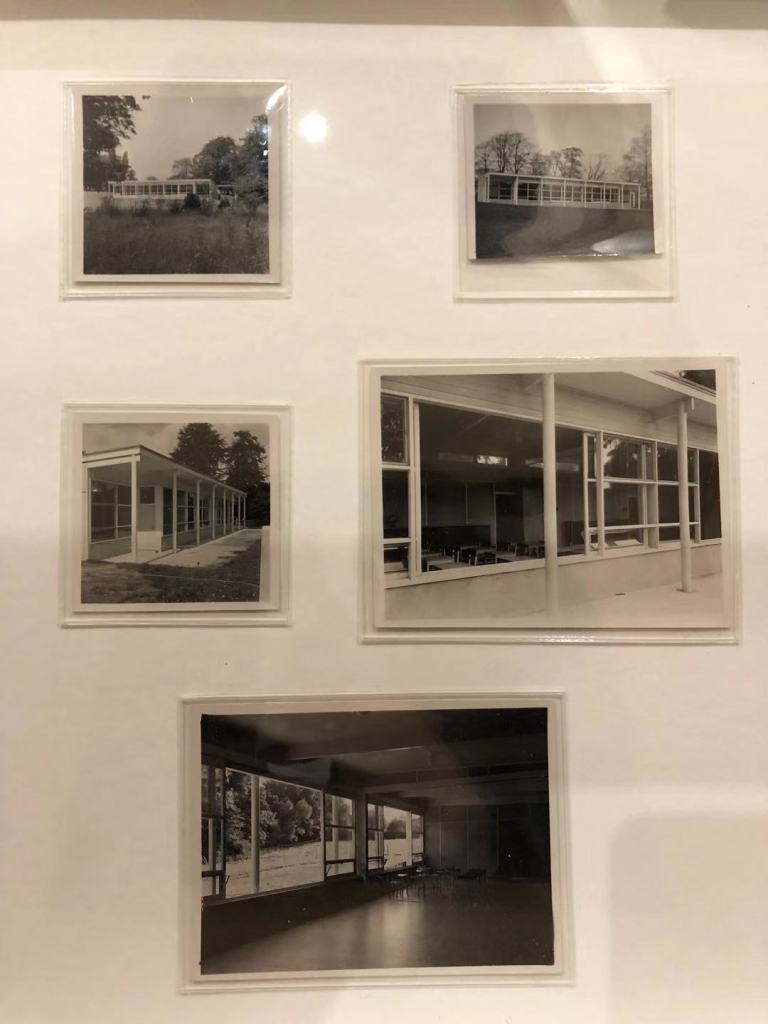
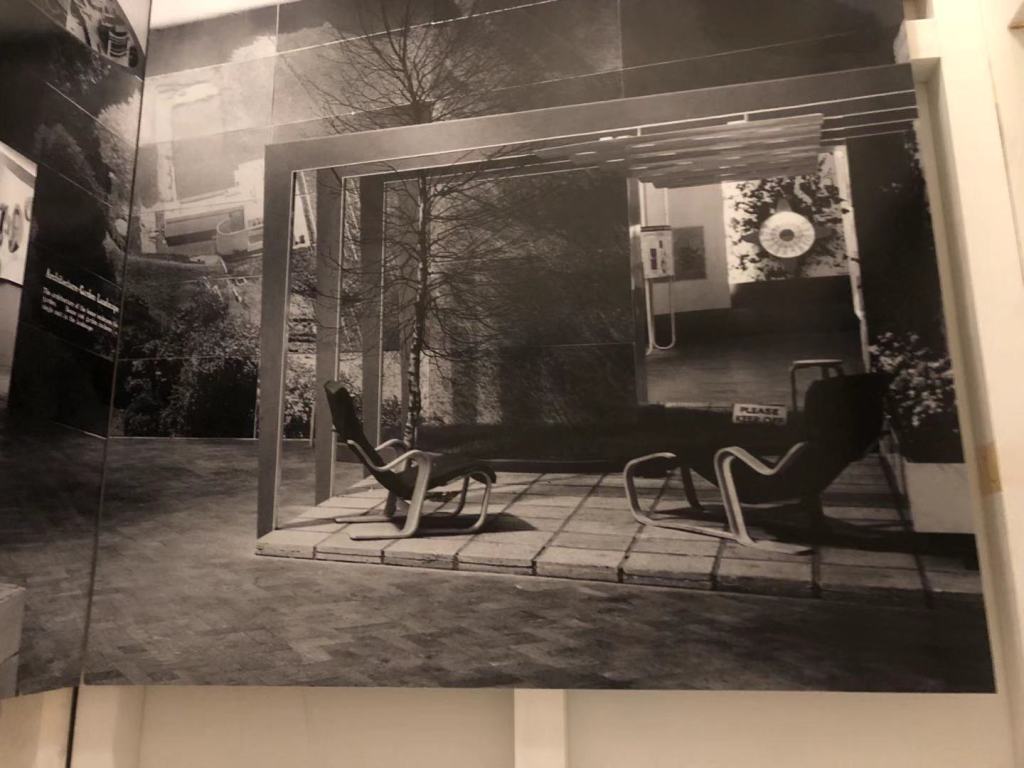
It is derived from the idea of Bauhaus school, which has a profound impact on the architecture and design industry. Its design theory can be summed up in three points: · the new unity of art and Technology (industrial production) · the purpose of design is human rather than product (functionality) · the design should follow the natural law (breaking the monopoly of power and authority). * Note: the brackets are only for the author’s understanding, welcome to leave a message and discuss.
 Yetta
Yetta 